
LGBTQ Therapy in Toronto, ON
For many LGBTQ people, therapy is not only about anxiety, depression, relationship conflict, or life transitions. It is also about what it means to move through the world while being misunderstood, watched too closely, dismissed, or asked to explain yourself over and over again. Sometimes the struggle is obvious, such as family rejection, bullying, discrimination at work, or fear about coming out. Sometimes it is quieter. A person may be high functioning, socially connected, and successful on paper, yet still feel exhausted by the effort of managing other people’s assumptions or by the private tension of not feeling fully seen. LGBTQ therapy can offer a place where those layers do not need to be translated before the real work begins.
At Dr. Karen Kaffko & Associates, we offer LGBTQ therapy in Toronto for adults, couples, adolescents, and families. Our collaborative psychotherapy practice brings together experienced clinicians who work with a broad range of emotional, relational, and identity related concerns. We provide LGBTQ counseling in a supportive and confidential setting, with both in person and virtual therapy available, where clients can explore mental health concerns, relationship struggles, identity questions, trauma, and life transitions with care, depth, and respect.
Understanding LGBTQ Therapy and When It Can Help
LGBTQ therapy is not a separate kind of human psychology. Gay, lesbian, bisexual, transgender, queer, nonbinary, questioning, and otherwise gender diverse clients experience the same core emotional realities as anyone else: love, grief, fear, shame, longing, anger, hope, attachment, and loss. What makes LGBTQ counseling important is that these experiences often unfold in a social environment that can add pressure, invisibility, or danger. Therapy can help when a person is trying to understand themselves, recover from painful experiences, or simply find relief from the strain of carrying too much alone.
Some clients seek support around sexual orientation or gender identity directly. Others come because of panic, depression, relationship problems, trauma, low self worth, family conflict, or burnout, and discover that those concerns are tangled up with years of hiding, code switching, rejection, or feeling different. In that sense, LGBTQ therapy in Toronto is not about reducing a person to identity. It is about making room for the full person, including the ways identity has shaped their emotional life.
Common reasons people seek LGBTQ counseling include:
- Anxiety, depression, or chronic stress
- Coming out concerns or fear of disclosure
- Gender identity exploration
- Questions about sexual orientation or sexual identity
- Family rejection, tension, or estrangement
- Relationship difficulties, dating stress, or breakup recovery
- Internalized shame, self criticism, or low self esteem
- Workplace discrimination or minority stress
- Trauma related to bullying, harassment, or violence
- Support during transition or gender affirming care decisions
- Parenting, co-parenting, or family building concerns
- Isolation, loneliness, or difficulty finding belonging
None of these experiences need to reach a dramatic breaking point before therapy becomes worthwhile. Many people begin LGBTQ counseling because something in life feels tight, constricted, or off balance. Therapy can help loosen what has been held too rigidly for too long.
How Identity Stress Can Affect Mental Health and Relationships
Living with ongoing social stress can shape a person from the inside out. You may second guess how much of yourself is safe to show at work. You may scan conversations for signs of judgment. You may feel close to friends and still hold something back, as if part of you is always standing near the exit. Over time, that kind of vigilance can look like anxiety, irritability, emotional numbness, difficulty trusting others, or a deep fatigue that does not improve with rest.
For some people, these pressures are tied to specific painful experiences. For others, the impact is cumulative. A joke that was brushed off at school, a parent who never quite accepted you, a relationship where your identity was minimized, a doctor’s office that made you feel exposed, a workplace where being yourself felt risky. None of these moments may seem large enough on their own, but together they can settle into the nervous system like static that never fully turns off. LGBTQ therapy helps clients understand how these experiences affect mood, relationships, confidence, and daily functioning.
Mental health concerns can also become more complicated when identity and attachment collide. A person may long for closeness while fearing rejection. A couple may struggle with intimacy because one partner feels safer being open than the other. An adolescent may feel isolated from family at the very stage of life when belonging matters most. Therapy offers a place to name these tensions without forcing them into neat categories.
Concerns We Address in LGBTQ Counseling
At Dr. Karen Kaffko & Associates, LGBTQ therapy in Toronto may focus on identity specific concerns, broader mental health struggles, or the overlap between the two. Some clients come with a clear sense of what they want to work on. Others only know that they feel overwhelmed, disconnected, or unlike themselves. Both starting points are welcome.
Our clinicians work with clients across different ages and life stages. That includes people who are newly questioning, people who have been out for years, couples navigating relationship strain, parents trying to support a child, and individuals who are carrying old wounds from earlier decades when acceptance was far less available. LGBTQ counseling should be spacious enough to hold all of that.
Coming Out, Identity Questions, and Self Acceptance
Coming out is often spoken about as if it happens once, cleanly, and then life moves on. In reality, many LGBTQ people come out repeatedly across different settings, relationships, workplaces, and stages of life. Each disclosure can carry its own emotional weather. Relief may sit next to fear. Pride may be mixed with grief for time lost or for relationships that changed after the truth was spoken aloud.
Therapy can help clients sort through these experiences without pushing them toward a timeline that does not fit. Some people want support making decisions about disclosure. Others are less concerned with coming out and more focused on self acceptance, especially if they have spent years trying to mute or argue with parts of themselves. LGBTQ counseling can help make that inner conflict more understandable and less punishing.
Gender Identity, Transition, and Gender Diverse Experiences
Clients exploring gender identity often carry questions that are both practical and deeply emotional. They may be considering social transition, medical options, changes in relationships, or how to talk with family members. They may also be trying to understand what feels true beneath years of adaptation, fear, or confusion. Gender identity work in therapy is not about steering someone toward a particular answer. It is about creating enough safety and clarity for the person to hear themselves more honestly.
For transgender, nonbinary, and gender diverse clients, therapy may also involve processing dysphoria, minority stress, discrimination, or the strain of educating others while trying to care for your own emotional life. Some clients want support around transition related decisions. Others want a place where their gender is not treated as the only interesting thing about them. Both needs matter.
Anxiety, Depression, Trauma, and Minority Stress
Many LGBTQ clients seek therapy because their distress has become hard to contain. Anxiety may show up as racing thoughts, social fear, perfectionism, sleep problems, or panic. Depression may look like emptiness, hopelessness, withdrawal, low motivation, or the sense that life has become smaller than it used to be. Trauma can live in the body as startle, numbness, shame, dissociation, or a constant expectation that something painful is about to happen.
Minority stress does not replace these concerns, but it can intensify them. When a person has spent years bracing against judgment or rejection, symptoms often make more sense in context. LGBTQ therapy can help clients understand those patterns, reduce self blame, and build ways of coping that do not depend on hiding or over functioning.
Relationships, Couples Therapy, and Family Conflict
LGBTQ counseling can also be valuable when the central struggle is relational. Dating may feel discouraging. A partnership may be strained by communication problems, differences in openness about identity, sexual concerns, jealousy, parenting stress, or the ordinary wear and tear of daily life. Family relationships can be equally complex, especially when love and rejection have become tangled together.
For couples, therapy can help clarify recurring patterns, improve communication, and create more room for honesty and intimacy. For families, the work may involve helping parents better understand a child or adolescent, repairing ruptures after conflict, and reducing the sense that everyone is speaking from separate islands. These conversations are often emotional, but they can also be deeply relieving when guided well.
Approaches We Use in LGBTQ Therapy
Effective LGBTQ therapy should never feel like a lecture in tolerance or a checklist of affirming language. It should feel like actual therapy: thoughtful, clinically grounded, emotionally attuned, and responsive to the complexity of the person in front of us. At our practice, treatment is individualized. Different clients need different things at different times.
Some people want help stabilizing symptoms and getting through the week. Others want to understand long standing patterns in relationships, identity, and self esteem. Often both are true. Our clinicians draw from a range of psychotherapy approaches depending on the client’s goals, history, and emotional needs.
Psychodynamic and Insight Oriented Therapy
Psychodynamic therapy can be especially helpful when current struggles are tied to older relational patterns. A person may know intellectually that they deserve acceptance, yet still feel drawn to relationships where they are minimized, hidden, or not fully chosen. Another may become intensely anxious after even small signs of disapproval because early experiences taught them that love could be withdrawn.
This kind of therapy helps clients understand the emotional logic beneath their reactions. In LGBTQ counseling, that might mean exploring how shame was learned, how secrecy became protective, or why authenticity can feel both necessary and dangerous. Insight does not solve everything overnight, but it often changes the way suffering is held.
Cognitive Behavioral Therapy
CBT can be useful when clients are caught in painful loops of self criticism, fear, catastrophizing, or rigid beliefs about what they must do to stay safe or acceptable. Thoughts such as “I am too much,” “No one will want the real me,” or “If I disappoint them, I will lose everything” can shape mood and behaviour in powerful ways.
In therapy, these patterns can be identified, examined, and gradually challenged. The goal is not forced positivity. It is to help clients build more realistic, compassionate, and workable ways of thinking so that anxiety, shame, and avoidance do not continue running the whole system.
Emotion Focused and Relational Work
Many clients have had to manage feelings by compressing them. Anger gets swallowed because it feels risky. Grief gets postponed because there was no safe place to put it. Joy gets muted because being visibly alive in yourself once attracted the wrong kind of attention. Emotion focused work helps people reconnect with these states in a way that is tolerable and meaningful rather than overwhelming.
Because identity is shaped in relationship, therapy also pays attention to how clients expect others to respond to them. Do you brace for ridicule? Do you become the easygoing one so nobody feels uncomfortable? Do you disappear when you need too much? Relational work can help make those habits visible and create the possibility of something different.
Practical Coping, Affirmation, and Life Navigation
Therapy also needs to help with real life. That may include coping with family gatherings, preparing for difficult conversations, managing workplace stress, navigating dating, responding to discrimination, or handling the emotional demands of transition and identity development. Sometimes a client needs depth. Sometimes they need a plan for getting through Thursday dinner with their parents.
Over time, practical support and deeper therapy often work together. A person becomes better able to regulate emotion, set boundaries, recognize safe relationships, and make choices that are more aligned with who they are. LGBTQ therapy is not about producing a polished identity performance. It is about creating a life that feels more inhabitable from the inside.

What to Expect From LGBTQ Therapy at Our Practice
Beginning therapy usually starts with a conversation about what is bringing you in now, what has been hardest to manage, and what you hope might feel different over time. Your therapist will want to understand your symptoms, relationships, history, and current stressors, including whether concerns related to sexual orientation, gender identity, family acceptance, trauma, or social stress are part of the picture.
From there, we develop a treatment approach that fits your needs. Some clients want focused support around a specific issue such as coming out, relationship conflict, or anxiety. Others benefit from longer term therapy because the concerns reach into older trauma, chronic shame, attachment wounds, or complicated family dynamics. We offer confidential in person and virtual therapy, and we are now accepting new clients for online therapy in Toronto.
You do not need to arrive with perfect language for your experience. Many people begin therapy unsure what exactly they are asking for. They only know that something feels painful, constricted, or unsustainable. That uncertainty is not a problem. It is often where good therapy begins.
Support for Adolescents, Adults, Couples, and Families
LGBTQ concerns do not appear in only one kind of life. Adolescents may be questioning identity while trying to survive school, peer dynamics, and the emotional intensity of home. Adults may be dealing with dating, marriage, parenting, workplace pressure, or the delayed impact of years spent hiding. Couples may need help with communication, sexual concerns, trust, or differences in how openly each partner lives.
Our practice offers LGBTQ counseling for individuals, couples, adolescents, and families. Younger clients may need support around self understanding, bullying, social anxiety, or talking with parents. Adults may want to work through trauma, depression, relationship patterns, or identity integration. Families may need help moving from fear, confusion, or conflict toward better understanding and a more supportive connection.
In some cases, family therapy can be especially important. A parent may love their child deeply and still not know how to respond in a way that feels safe and affirming. A young person may interpret hesitation as rejection. Therapy can help slow these interactions down so that everyone has a better chance of hearing what is actually being said beneath the defensiveness and fear.
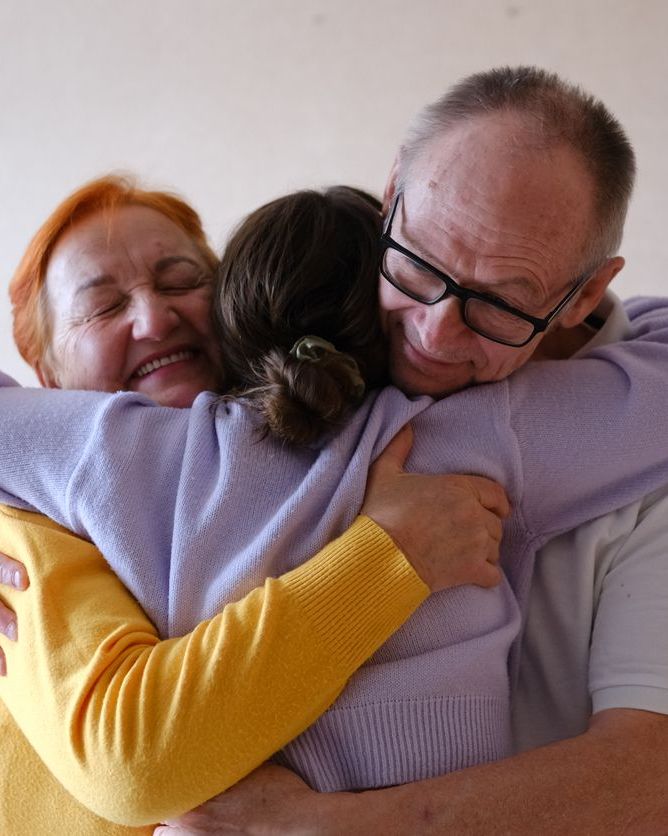
LGBTQ Couples Therapy in Toronto
Queer, gay, lesbian, bisexual, and trans couples come to therapy for many of the same reasons any couple does. Communication has become circular. Conflict repeats in the same shape every time. Intimacy has quietly thinned out. Parenting, money, work stress, or extended family have started to sit between two people who used to feel close.
Some couples also carry pressures that are particular to their relationship. One partner may be fully out while the other is still careful about who knows. Family gatherings may be welcoming on one side and cool on the other. A couple may be building a family through fertility treatment, adoption, or co-parenting arrangements and finding that the process asks more of them emotionally than they expected. Open and polyamorous couples may want a space where their agreements are understood rather than questioned.
Our couples work focuses on the pattern rather than on deciding who is right. Sessions help each partner say what is actually happening underneath the frustration, and help the other hear it without bracing for blame. Over time, that usually changes the conversation more than any single agreement does.
We offer LGBTQ couples therapy for partners at any stage, whether you are early in a relationship, years into a marriage, working through a rupture, or trying to decide what comes next. Sessions are available in person at our mid-town Toronto office and online, with daytime, evening, and weekend appointments seven days a week.
Why Clients Choose Dr. Karen Kaffko & Associates for LGBTQ Support
When people look for LGBTQ therapy in Toronto, they are often looking for more than a therapist who says the right things. They want a clinician who can think carefully, listen closely, and understand how identity, history, relationships, and mental health interact. They want therapy that is genuinely affirming without becoming simplistic.
At Dr. Karen Kaffko & Associates, clients work with experienced therapists in a collaborative psychotherapy practice. Our approach is individualized, respectful, and clinically informed. We understand that LGBTQ clients are not all coming in for the same reasons, and we do not assume that identity is either the whole story or irrelevant to it. Some clients need support around acute distress. Others need a deeper place to untangle shame, grief, trauma, or long standing relational pain. We meet people where they are.
We also recognize that access matters. We offer in person sessions in mid-town Toronto as well as online therapy, giving clients flexibility in how they begin and continue treatment. For some, sitting in the room feels grounding. For others, virtual therapy makes it easier to start. What matters most is finding a setting where the work can actually happen.
Common Questions About LGBTQ Therapy
A common question is whether you need LGBTQ therapy specifically if your main concern is anxiety, depression, or relationship problems. The answer is often yes, if your identity or lived experience is part of the context. You do not need to talk about identity in every session for it to matter that your therapist understands the pressures that may shape your emotional life.
People also ask whether therapy is only for those who are questioning or coming out. It is not. LGBTQ counseling can help at many stages of life, including after years of being out. A person may seek therapy for trauma, self esteem, dating, family conflict, parenting, grief, or burnout. Identity development is not a one time event. It keeps interacting with life as life changes.
Another concern is whether therapy will feel overly political or overly clinical. Good therapy is neither slogan nor interrogation. It should feel human, thoughtful, and useful. It should make room for complexity. Some sessions may focus on immediate coping. Others may go deeper into attachment, shame, desire, loss, or the private story you carry about who you are allowed to be.
Clients also wonder whether in person therapy is better than virtual therapy. There is no universal answer. In person sessions can feel more contained and focused for some people. Online therapy can offer privacy, convenience, and easier access. We offer both formats and can help you consider what may feel like the best fit.
Taking the First Step
It can be tiring to live in a way that always requires a little translation. To explain yourself before you can be understood. To monitor how much truth the room can tolerate. LGBTQ therapy offers a place where that effort can soften, and where the work can turn toward what is actually hurting, what is unresolved, and what may be possible.
At Dr. Karen Kaffko & Associates, we provide LGBTQ therapy in Toronto for adolescents, adults, couples, and families. Our registered clinicians offer confidential, supportive care through in person and online therapy. If you are looking for LGBTQ counseling, we invite you to contact our practice to learn more or schedule an initial consultation. With the right therapeutic support, it becomes easier to understand yourself more clearly, relate more honestly, and move through life with less strain and more room to breathe.
dr. karen kaffko
and associates
327 Eglinton Ave. East, main floor
Toronto, ON.
M4P 1L7
tel: 416-967-1827
fax: 416-691-7820
k.kaff@rogers.com